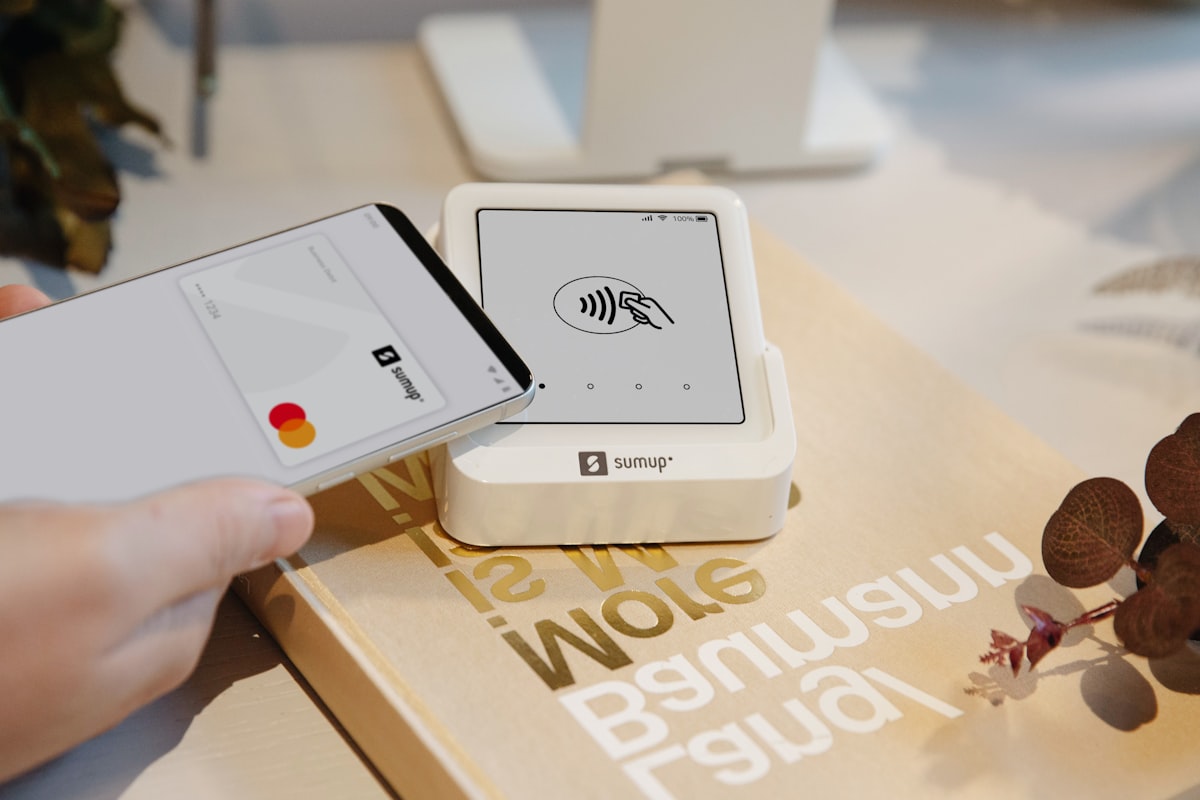
NFC displays and QR codes both connect physical spaces to digital content. Both let customers access your menu, leave a review, or follow your socials. But they work very differently, and the right choice depends on your business, your customers, and your goals.
Let's compare them head-to-head across every dimension that matters.
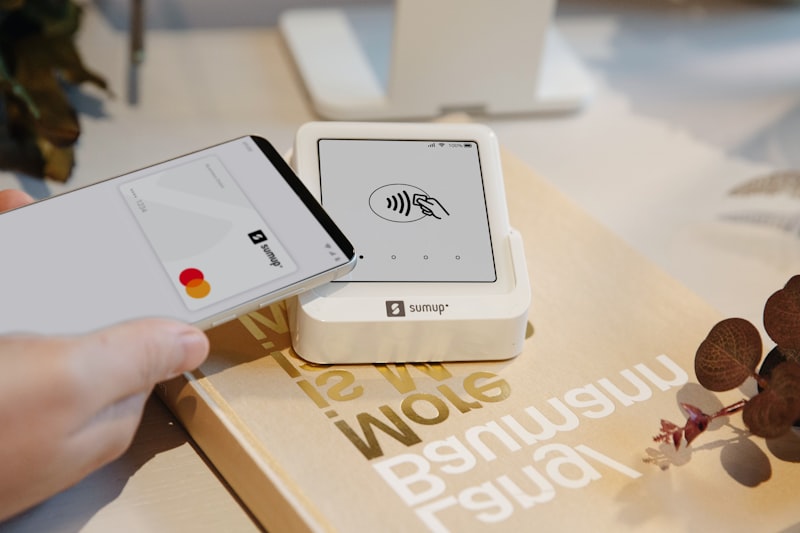
Speed: NFC wins
NFC interaction takes under 1 second. The customer taps their phone against the display, and the content opens immediately. No camera app, no scanning, no waiting for focus.
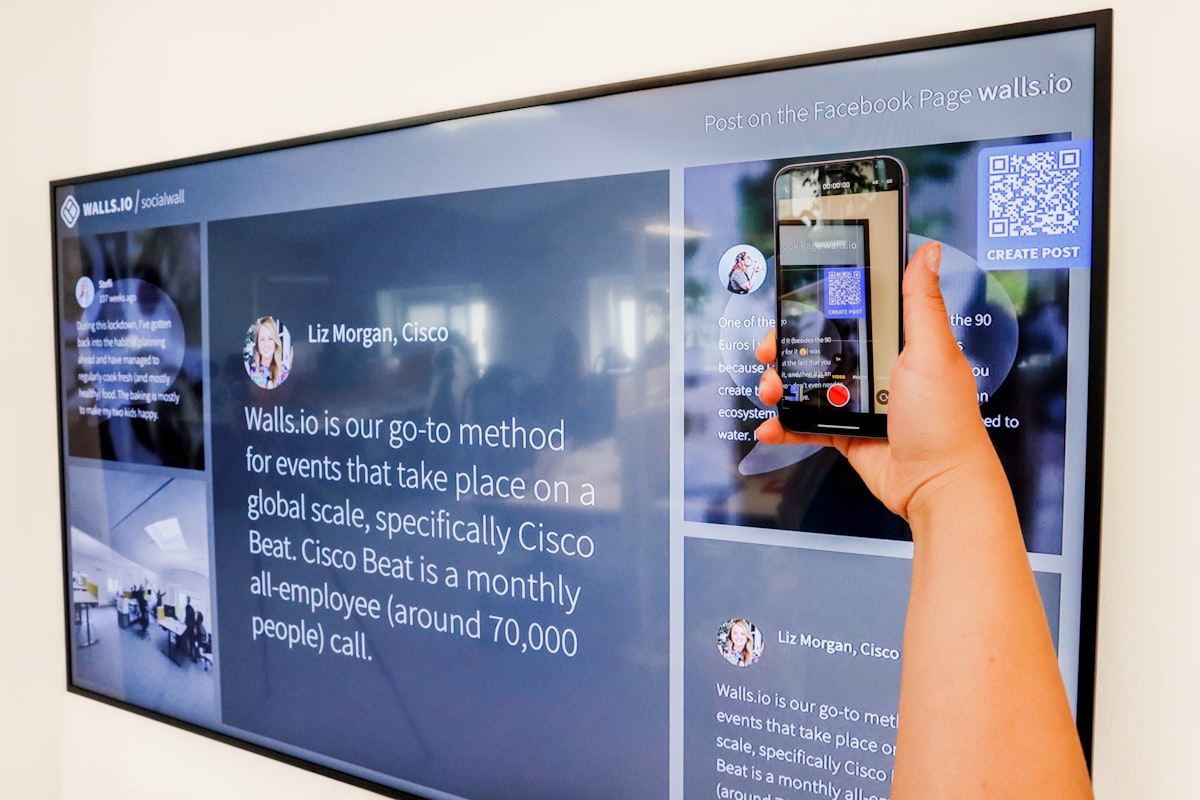
QR codes take 3-8 seconds. The customer needs to open their camera, aim it at the code, wait for it to focus, then tap the notification to open the link. In low light or at awkward angles, this can take even longer.
That difference of a few seconds matters more than you'd think. In a busy cafe at lunch rush, or at a crowded pop-up market, the faster interaction wins.
Compatibility: QR wins
QR codes work on 100% of smartphones. Every phone with a camera can scan a QR code. There's zero compatibility concern.
NFC works on 95%+ of modern smartphones. All iPhones from iPhone 7 onwards (since 2016) and all Android phones with NFC hardware (which is essentially all phones above the budget tier). However, some very old or very cheap phones may not support NFC.
For most Singapore businesses, this difference is negligible, but if your customer base includes many older adults or budget phone users, QR has a slight edge.
Cost comparison
| Factor | NFC Display | QR Code |
|---|---|---|
| Hardware cost | S$29-89 (one-time) | S$0-10 (print cost) |
| Ongoing cost | S$0 | S$0 (static) / S$5-20/mo (dynamic) |
| Replacement cost | Rarely needed (durable) | Frequent (fading, damage) |
| Update cost | S$0 (reprogram digitally) | S$0 (dynamic) / reprint (static) |
| 3-year total cost | S$29-89 | S$20-720 |
NFC has a higher upfront cost but virtually zero ongoing cost. QR codes are cheap to start but dynamic QR services (which let you change the destination URL) charge monthly fees. Static QR codes need reprinting every time you change the URL.
Durability
NFC displays are built to last. A well-made NFC display uses durable materials (acrylic, wood, metal) and the NFC chip itself has no moving parts. It can last 10+ years.
Printed QR codes degrade over time. Exposure to sunlight, moisture, and handling causes fading and damage. A QR code on a cafe counter might need replacing every 2-3 months.
Customisation and branding
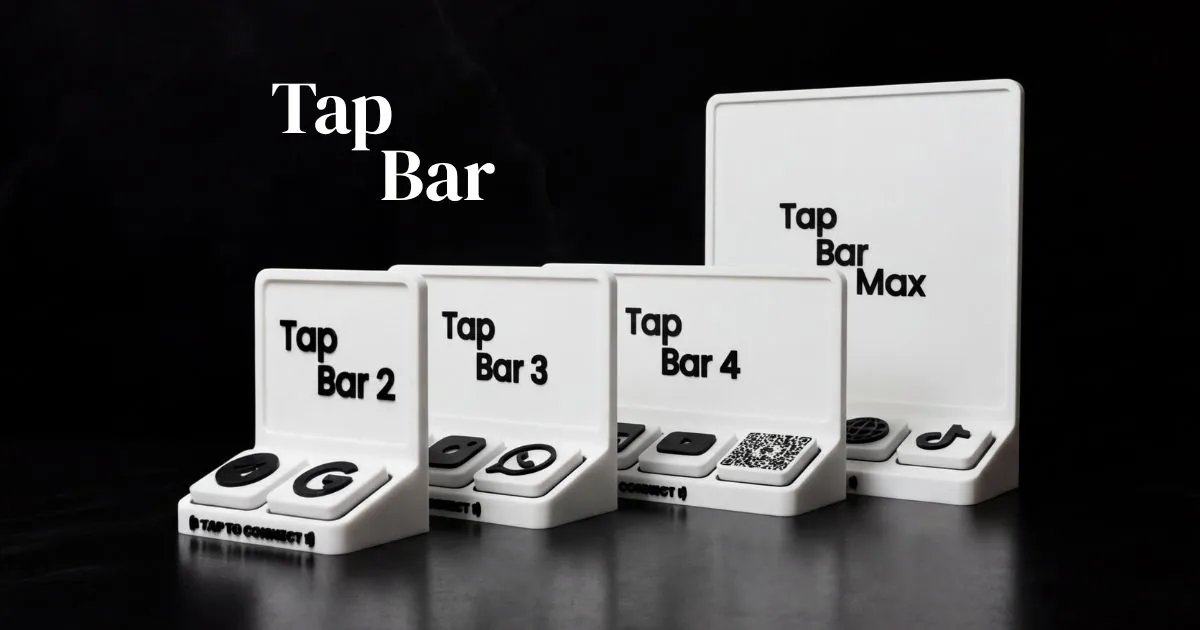
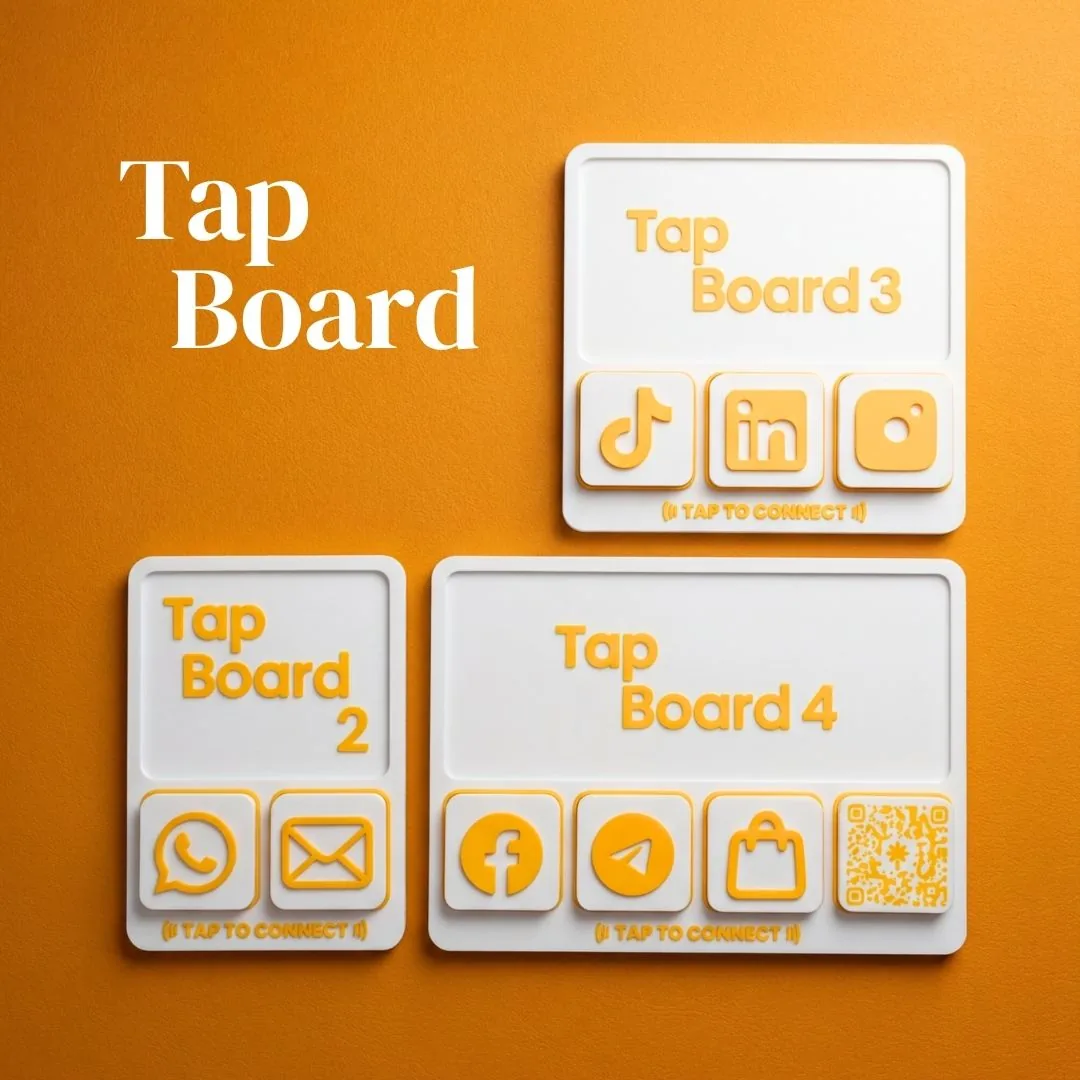
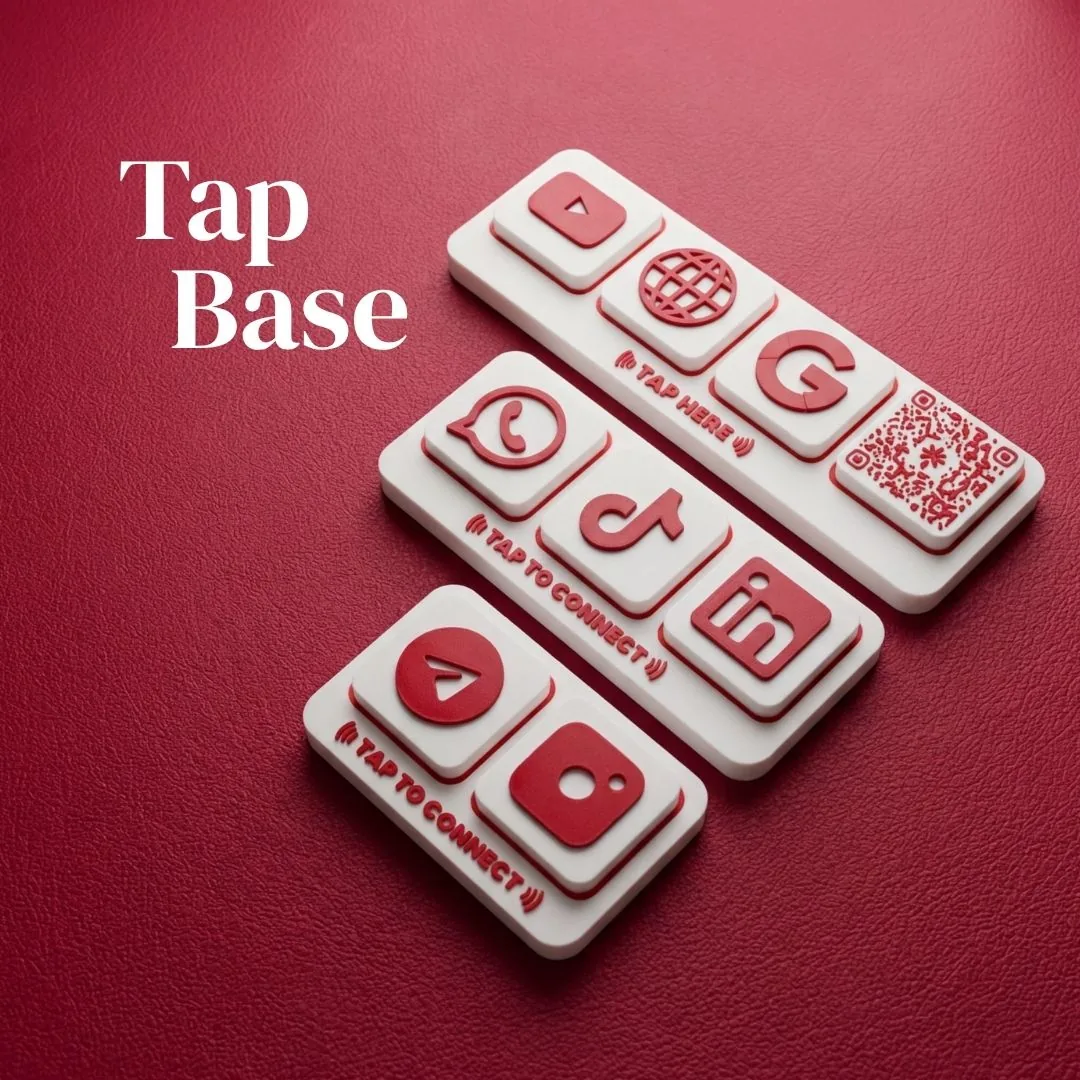
NFC displays can be fully customised with your brand colours, logo, and messaging. Products like Tap To Connect Tap Bar and Tap Board are designed to match your business aesthetic and become part of your counter or wall display.
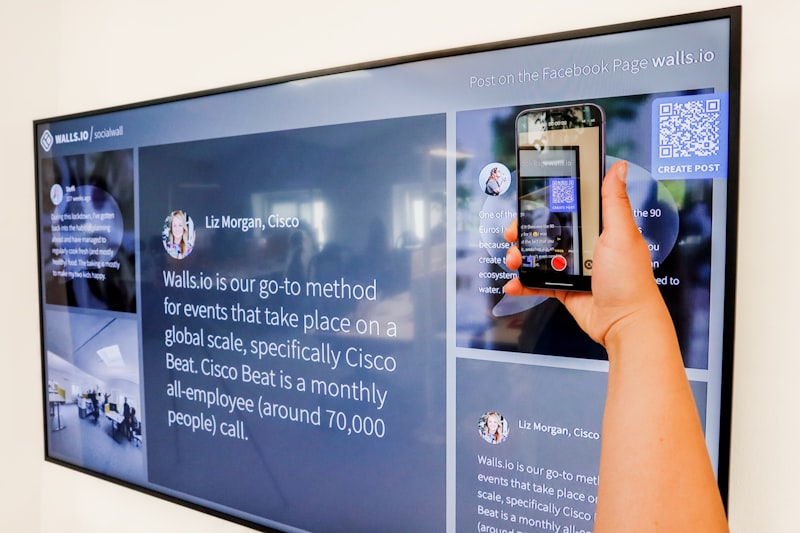
QR codes can be designed with colours and logos embedded, but they still look like QR codes. They're functional, not beautiful. Most QR implementations look like an afterthought, a printed sheet taped to the counter.
Analytics and tracking
Both can provide analytics, but with different approaches:
- NFC: Tap counts are tracked by the NFC management platform. Some services offer time-of-day analytics, device types, and tap frequency
- QR: Dynamic QR codes (via Bitly or similar) track scans, location, device, and time. Static QR codes provide no analytics
User experience
This is where the difference is most felt by customers.
NFC experience: "Tap your phone here" → content appears instantly. It feels like magic. Customers often say "that's cool" or "how did that work?", creating a memorable micro-interaction.
QR experience: "Scan this code" → open camera → aim → wait → tap notification → content appears. It works, but it's not exciting. It's become routine, almost annoying in a post-COVID world where people are tired of scanning codes.
The verdict: use both
The smartest approach isn't choosing one. It's using both strategically:
- Primary touchpoint: NFC display. Faster, more impressive, better for customer experience. Place it prominently at your counter or reception
- Backup: QR code. Printed on the NFC display itself, on receipts, or on table tents. Catches the small percentage of customers whose phones don't support NFC
Products like the Tap To Connect Tap Bar include both NFC and a QR code in one display, giving you the best of both worlds.
Related reading: QR Code Marketing for Singapore Small Business: ROI Guide
Also see: Professional Business Card Alternatives: Go Beyond Paper
NFC displays built for businesses like yours
Three product lines. One tap to connect your customers.