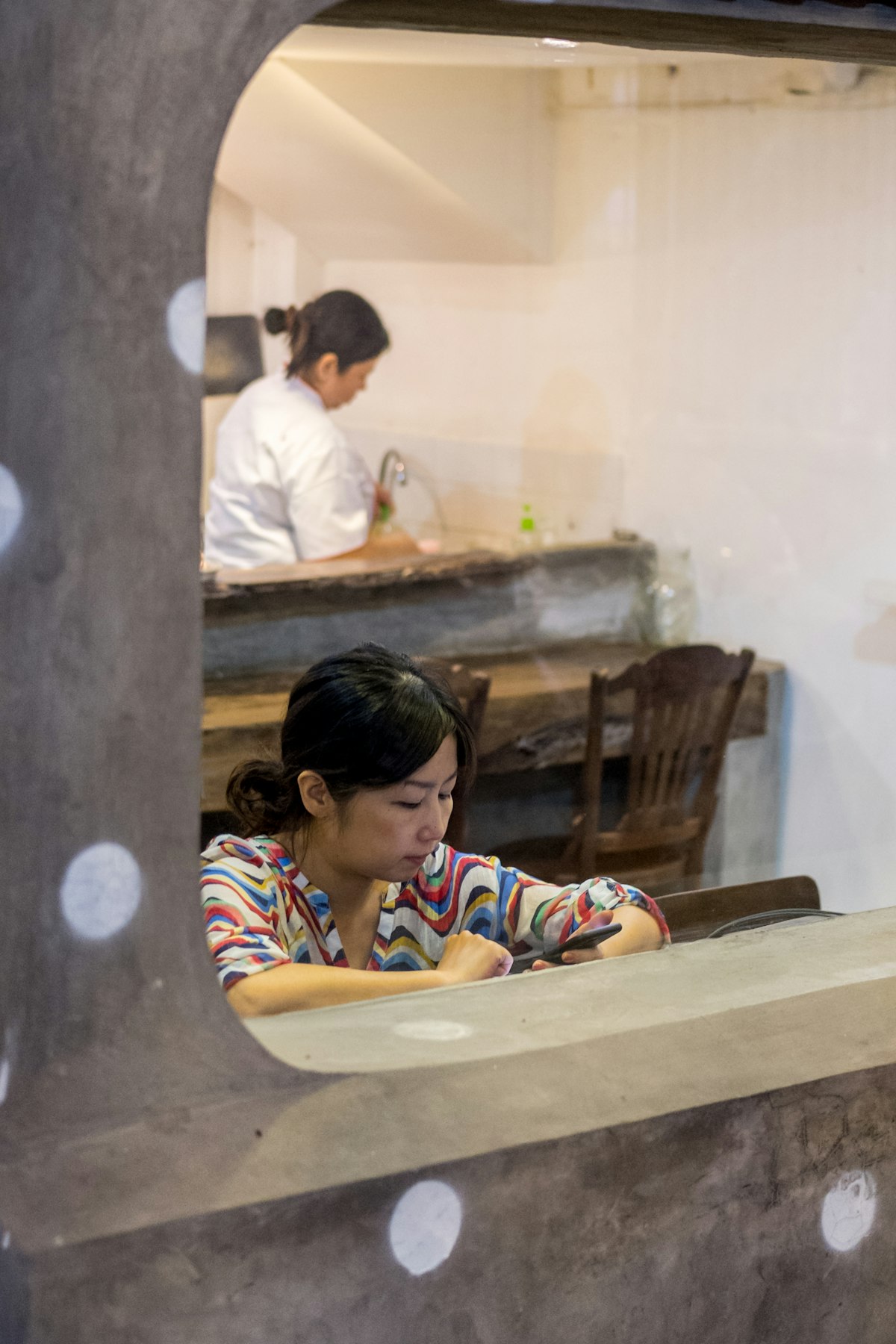
NFC displays are showing up on more counters across Singapore, from Tiong Bahru cafes to Orchard Road salons. But do they actually work? Do customers tap? Does it translate to real business results?
We looked at 4 Singapore businesses that implemented NFC displays and tracked their results over 3-6 months. Here's what happened.
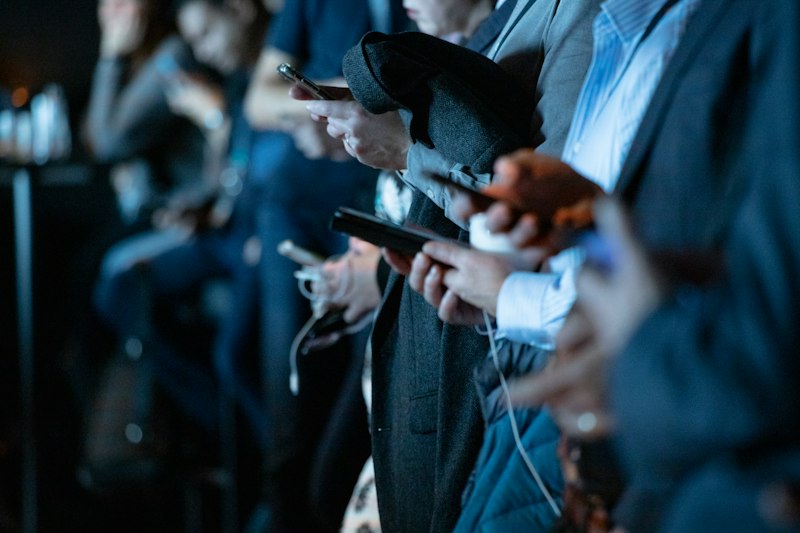
Case Study 1: 99 Old Trees (Specialty Coffee)
Business: Specialty coffee cafe, Tiong Bahru
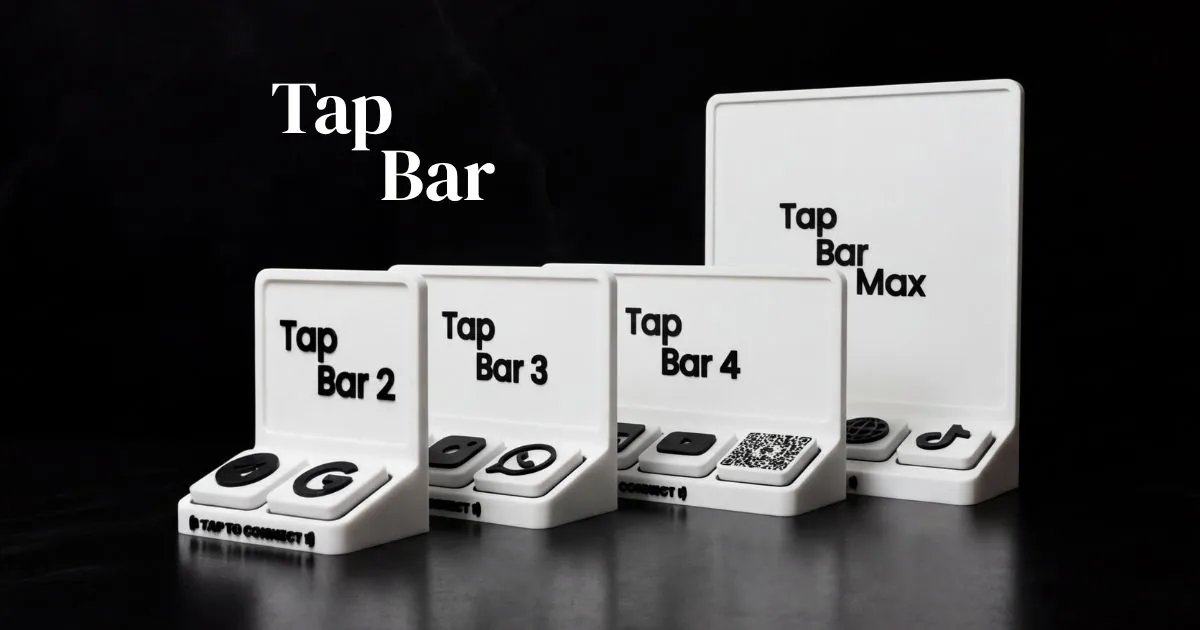
Setup: Tap To Connect Tap Bar at the payment counter, linked to Google Reviews
The challenge: 99 Old Trees had great coffee and loyal regulars, but their Google review count was stuck at 47 reviews. New customers searching "coffee near Tiong Bahru" were finding competitors with 200+ reviews first.
The result after 3 months:
| Metric | Before | After (3 months) |
|---|---|---|
| Google reviews | 47 | 142 |
| Google rating | 4.3 | 4.5 |
| Weekly taps | N/A | 35-50 |
| Google Maps impressions | 2,100/month | 4,800/month |
Key insight: "We didn't change anything about our product or service. We just made it dead easy for happy customers to tell Google about it.", Owner
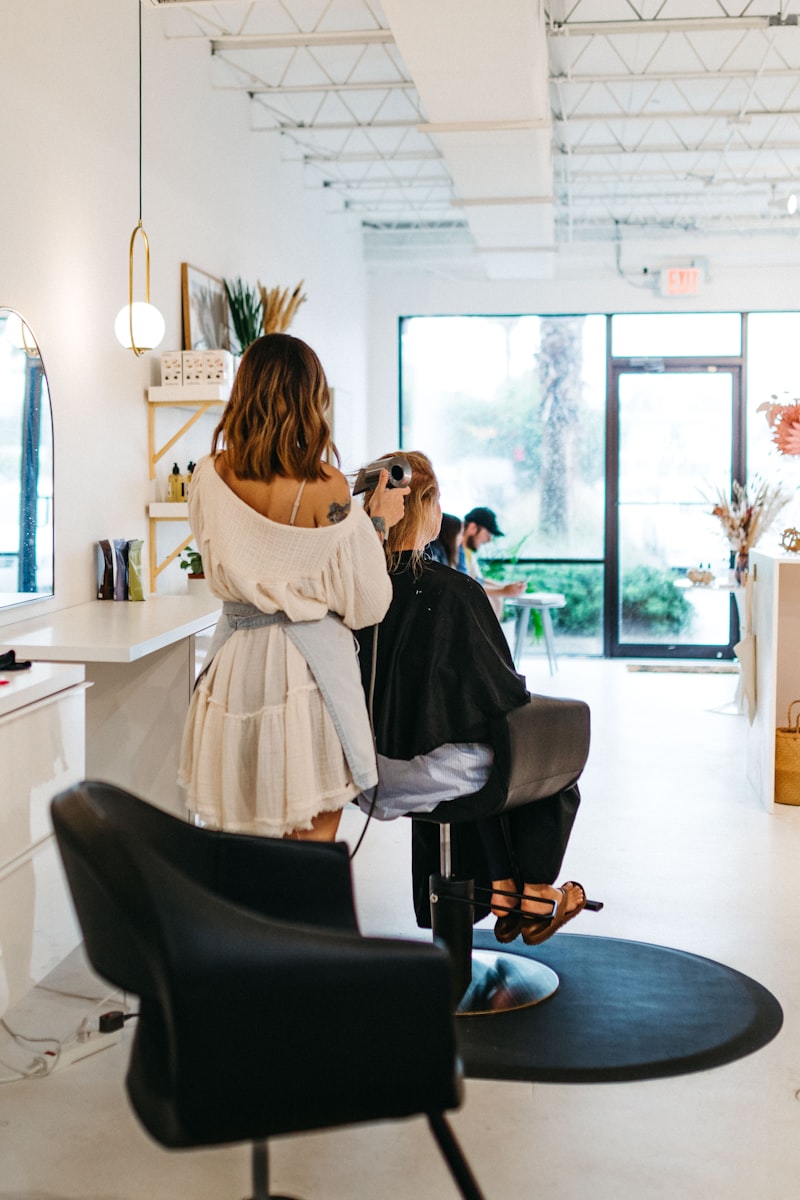
Case Study 2: Kupaa Salon (Hair & Beauty)
Business: Unisex salon, Tanjong Pagar
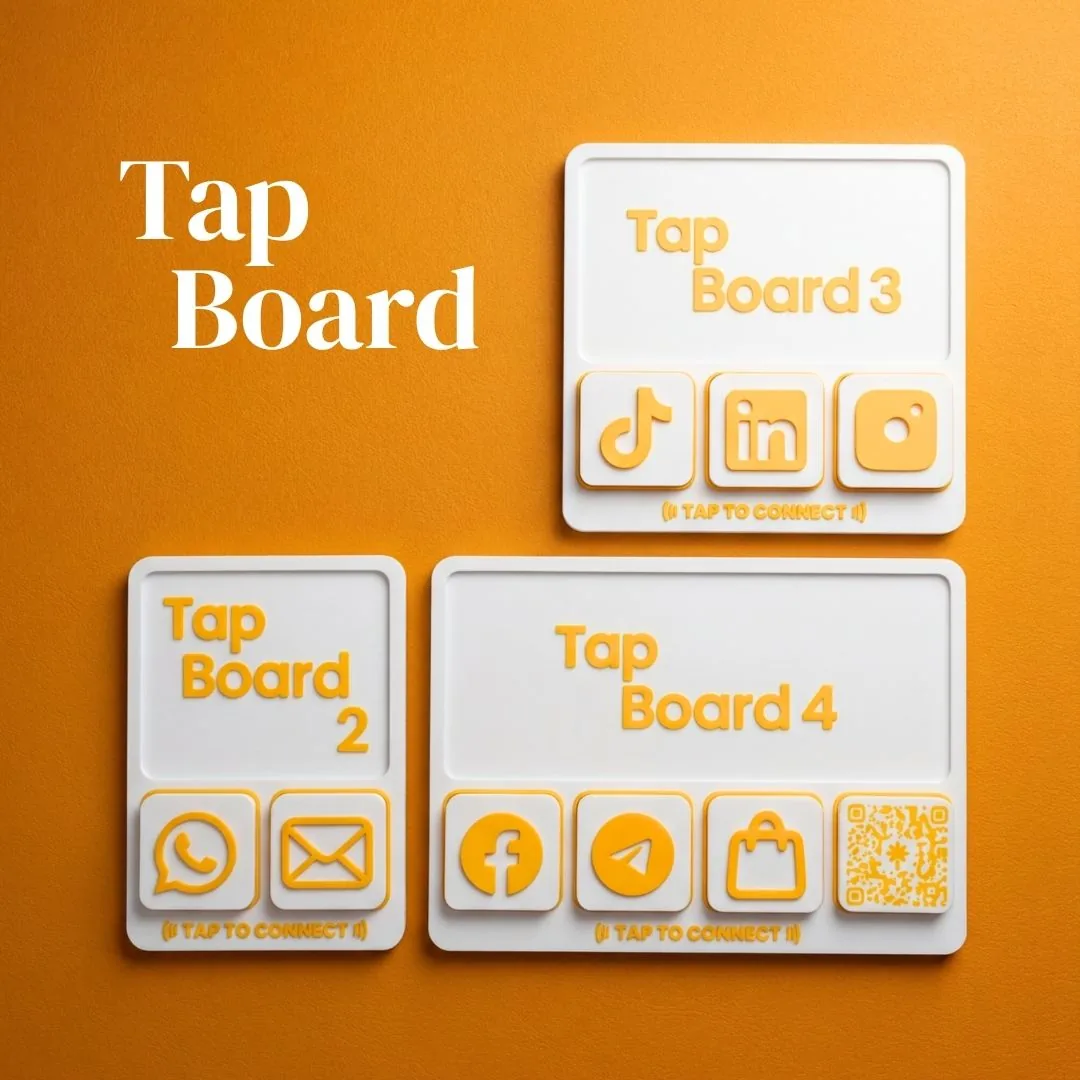
Setup: Tap To Connect Tap Board at the reception counter, linked to Instagram + loyalty program
The challenge: Kupaa was spending S$800/month on Instagram ads to attract new clients, but their organic following was growing slowly (2,100 followers). They wanted to convert their daily walk-in clients into followers without adding work for the receptionist.
The result after 4 months:
| Metric | Before | After (4 months) |
|---|---|---|
| Instagram followers | 2,100 | 3,850 |
| Monthly follower growth | 80-100 | 400-500 |
| Loyalty program signups | N/A | 340 |
| Client return rate | 38% | 52% |
Key insight: "The NFC board replaced 3 things on our counter: a QR code printout for Instagram, a physical loyalty card stack, and a 'follow us' tent card. One display, cleaner counter, better results."
Case Study 3: Quah Song Cafe (Hawker Concept)
Business: Modern hawker concept cafe, Jalan Besar
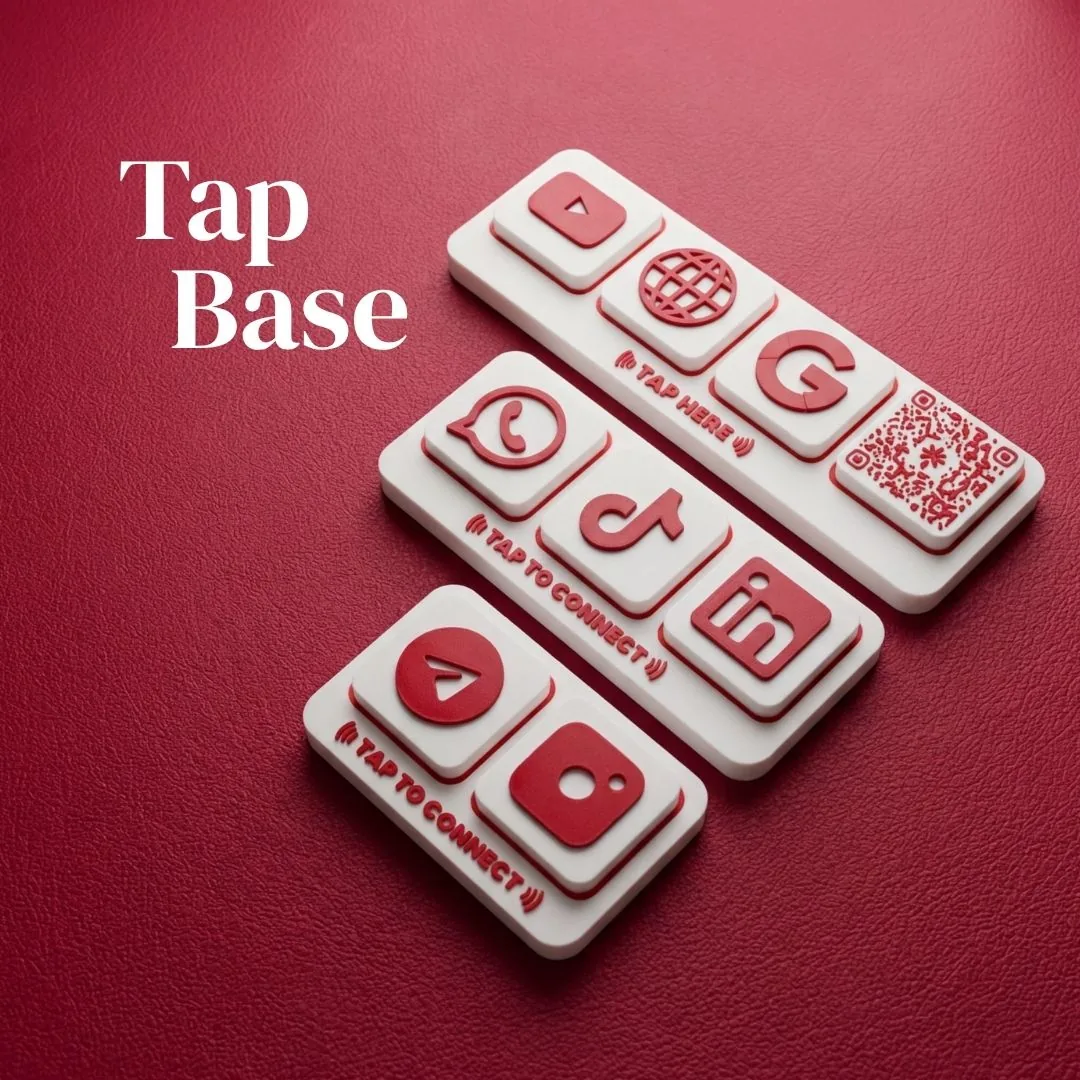
Setup: 2x Tap To Connect Tap Base units: one for Google Reviews, one for digital menu
The challenge: Quah Song had a rotating menu that changed weekly. Printing new menus was expensive and wasteful. They also wanted more Google reviews to boost their local search visibility.
The result after 6 months:
| Metric | Before | After (6 months) |
|---|---|---|
| Menu printing cost | S$120/month | S$0 |
| Google reviews | 23 | 187 |
| Menu views per week | N/A | 180-250 |
| "How did you find us?", Google | 15% | 38% |
Key insight: "The Tap Base paid for itself in the first month just from the menu printing we saved. The reviews were a bonus, but honestly, that's what's driving real growth now."
Case Study 4: Petite Krumbs (Home Bakery → Pop-Up)
Business: Home bakery doing weekend pop-up markets
Setup: Tap To Connect Tap Bar at the pop-up booth, linked to Instagram + WhatsApp order link
The challenge: Petite Krumbs had great products but struggled with customer retention between pop-ups. Customers would buy at the market but had no way to reorder. Building a customer list was difficult in the chaos of a busy market day.
The result after 3 months (12 pop-up events):
| Metric | Before | After (3 months) |
|---|---|---|
| Instagram followers gained per event | 8-12 | 35-50 |
| WhatsApp reorders between events | 2-3/week | 12-18/week |
| Average revenue per event | S$450 | S$680 |
| Repeat customers at events | 10% | 35% |
Key insight: "At a pop-up, everyone's busy. Nobody wants to type an Instagram handle or scan a code. But saying 'just tap your phone here to follow us', people actually do it. It's the speed that makes the difference."
Common patterns across all 4 businesses
Looking at the data, several patterns emerge:
- Engagement rates are 3-5x higher than QR codes. The tap interaction is faster and more novel, leading to significantly higher conversion
- The impact compounds over time. More reviews → better Google ranking → more foot traffic → more reviews. More followers → more engagement → more reach → more followers
- Staff don't need to do anything. The display works silently. No asking, no explaining, no awkwardness
- Counter clutter decreases. One NFC display replaces 3-4 separate printed items (QR codes, tent cards, flyers, loyalty cards)
Read more: NFC Displays vs QR Codes: Which Is Better?
Related: How to Get More Google Reviews for Your Cafe in Singapore
Metrics that matter
If you're considering NFC displays for your business, track these metrics:
- Weekly tap count: How often customers engage (aim for 30-50 taps/week for a small business)
- Conversion rate: What percentage of taps result in the desired action (review, follow, signup)
- Review velocity: How many new Google reviews per week (compare before and after)
- Follower growth rate: Instagram followers added per week from in-store prompts
- Customer return rate: Are more customers coming back? (Track via POS or loyalty data)
Positioning tips
Where you place the NFC display matters enormously:
- Payment counter (best): Customer has phone in hand, just completed a positive transaction
- Table level: Good for menu access and slow-paced environments (sit-down restaurants, salons)
- Window display: Attracts passers-by, works for after-hours engagement
- Pop-up booth front: Eye-level, easy to tap while browsing
NFC displays built for businesses like yours
Three product lines. One tap to connect your customers.