Planning a pop-up shop in Singapore? Whether you're a home baker testing a physical presence, a fashion brand launching a new collection, or a craft business entering the retail world, this is your complete checklist.
Singapore's pop-up scene is thriving, with events at everything from Haji Lane shophouses to Marina Bay Sands. But the difference between a profitable pop-up and a costly disaster comes down to preparation. Here's everything you need.
Phase 1: Pre-planning (8-12 weeks before)
Define your goals
Before anything else, be clear about what success looks like:
- Sales target: How much revenue do you need to break even? To profit?
- Brand awareness: How many new followers, email signups, or contacts do you want?
- Market testing: Are you testing a product, a price point, or a location?
- Customer feedback: What do you want to learn from face-to-face interactions?
Permits and regulations
Singapore is strict about permits. Don't skip this.
- URA (Urban Redevelopment Authority): Check if the location is zoned for temporary retail use
- NEA (National Environment Agency): Required if selling food. You need a temporary food stall licence
- ACRA registration: You need a registered business to sell commercially in Singapore
- Fire safety: SCDF requirements for temporary structures
- Landlord approval: Even for markets, get written permission from the venue operator
Apply early. Some permits take 2-4 weeks to process.
Budget planning
| Cost Item | Estimated Range (SGD) |
|---|---|
| Booth rental (1-2 days) | S$300-2,000 |
| Display fixtures | S$100-500 |
| Signage and branding | S$50-300 |
| Payment terminal | S$0-50 (many are free) |
| Permits and licences | S$50-200 |
| Inventory | Varies |
| Marketing | S$50-200 |
| Total (excluding inventory) | S$550-3,250 |
Phase 2: Display and setup
Your booth display
You have 3-5 seconds to catch someone's attention as they walk past. Your display needs to:
- Tell your story instantly: One clear banner or sign with your brand name and what you sell
- Show your best products: Feature 3-5 hero items at eye level
- Look professional: Matching colours, clean layout, branded elements
- Be interactive: Let people touch, try, and engage with products

Phase 3: Payments and technology
Accept every payment method. In Singapore, that means:
- PayNow QR: Essential. Almost everyone uses this
- Card terminal: Square or Stripe readers are portable and affordable
- Cash: Still needed, especially at heartland markets
- GrabPay / Shopee Pay: Bonus, but PayNow covers most digital payments
Phase 4: Marketing (before, during, after)
Before (2-3 weeks):
- Announce on Instagram with a countdown
- Share BTS of your preparation
- Collaborate with the event organiser's social channels
- Send an email blast to your existing list
During:
- Post stories throughout the day
- Go live at peak moments
- Encourage visitors to tag you and the event
After (within 48 hours):
- Thank-you post with highlights
- Share customer photos and testimonials
- Follow up with new contacts
Related: Grow Your Instagram Followers as a Singapore Cafe
Phase 5: Customer engagement technology
This is where most pop-up shops miss a huge opportunity. You have a captive audience, but if they walk away without connecting, they're gone forever.
Essential engagement tools for your pop-up:
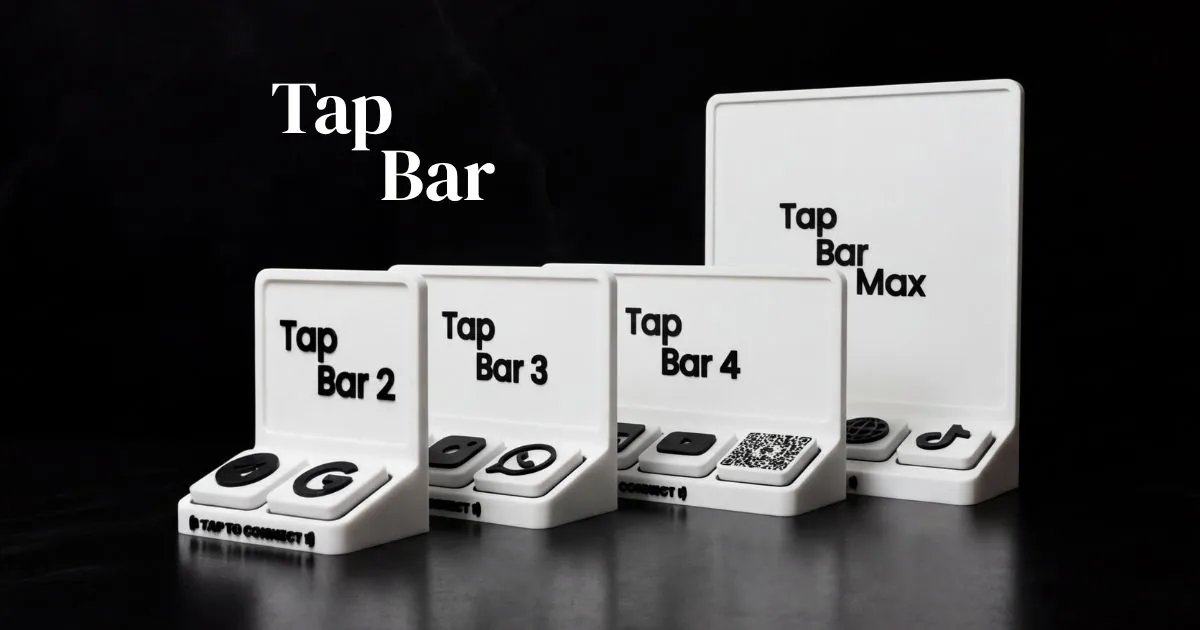
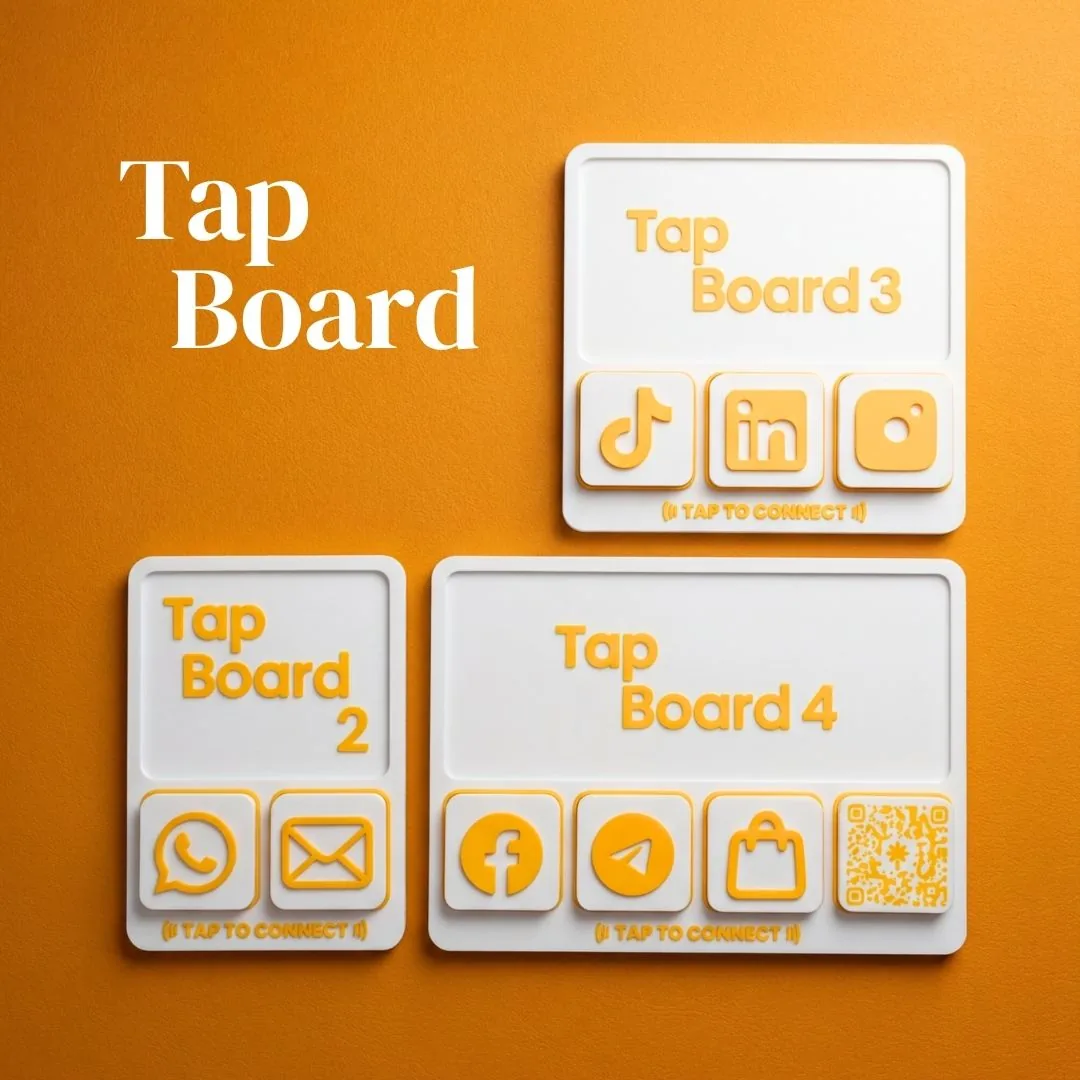
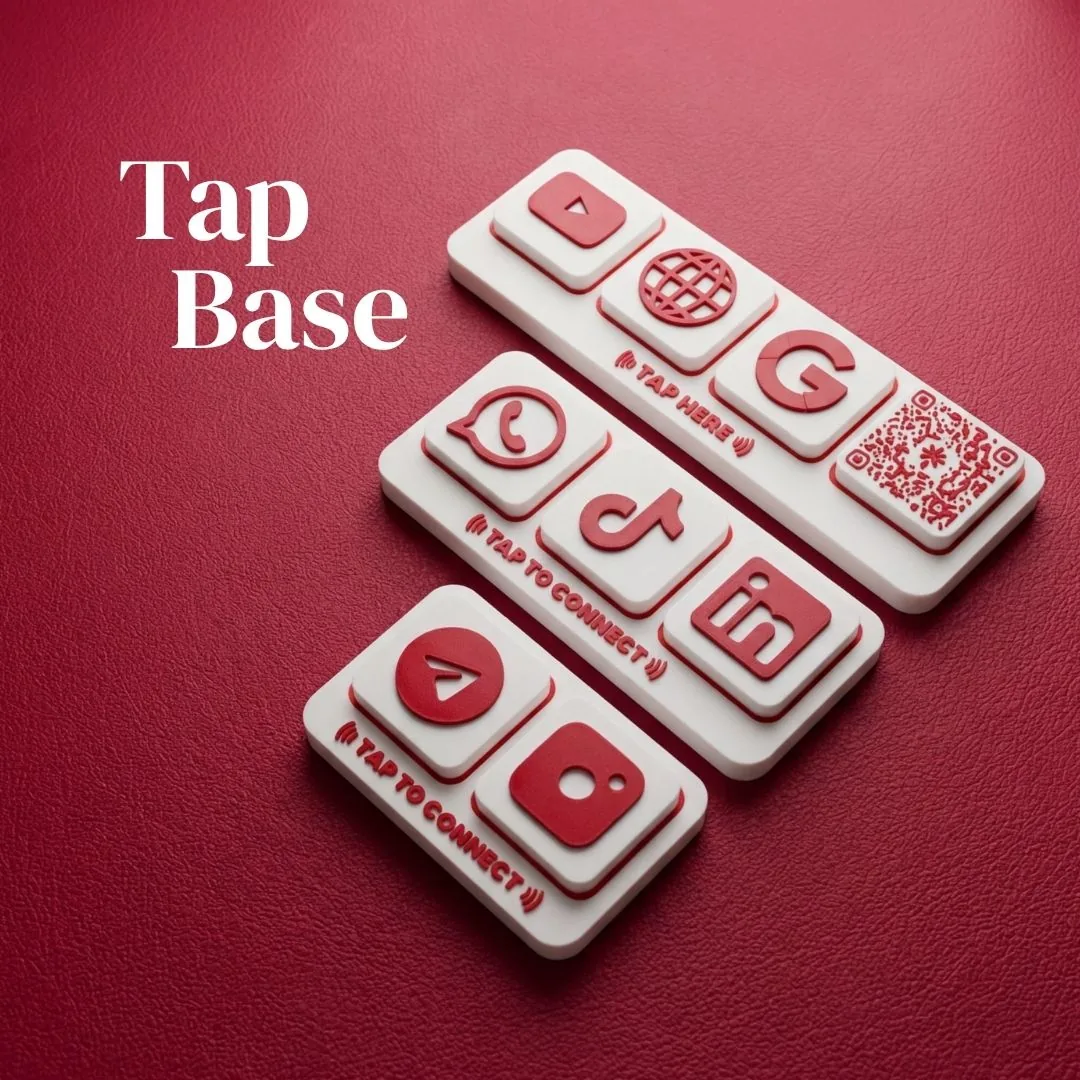
- NFC display: One tap connects visitors to your website, Instagram, WhatsApp, or newsletter signup
- Email signup form: A tablet or phone with a simple Google Form
- Business cards: Physical or digital. Make sure they have your website and socials
- QR code to your online shop: For customers who want to browse more later
An NFC display is particularly effective at pop-ups because the interaction is novel ("just tap your phone!") and captures attention in a busy market environment.
NFC displays built for businesses like yours
Three product lines. One tap to connect your customers.
Phase 6: Operations checklist
The day-of essentials you don't want to forget:
- Extension cords and power strips (check if the venue provides power)
- Cash float (S$100-200 in small bills)
- Phone chargers (your phone is your POS, camera, and social media tool)
- Packaging supplies (bags, tissue paper, thank-you cards)
- Water and snacks for yourself (seriously, long pop-up days are exhausting)
- Weather backup plan (for outdoor events)
- Inventory tracking sheet (simple pen-and-paper works)
Phase 7: Post-pop-up follow-up
The pop-up doesn't end when you pack up. The 48 hours after are critical:
- Follow up with new contacts: send a welcome email or WhatsApp message
- Post a recap on Instagram: tag customers and the venue
- Analyse your numbers: revenue, units sold, new contacts, social media growth
- Send thank-you messages to customers who purchased
- Plan the next one: momentum matters, so book your next event while the energy is fresh